
The comprehensive transformation of Ukraine’s energy sector, driven by the full-scale Russian invasion, targeted attacks on power generation and transmission facilities, and rising systemic risks, has necessitated a profound rethinking of approaches to designing and operating the power system. The centralized power supply model exhibits high vulnerability; thus, solutions focused on enhanced resilience, adaptability, and local autonomy have come to the fore.
One of the key solutions is self-sufficient distributed generation based on renewable energy sources (RES). Its concept involves placing power generation as close to the consumer as possible, localizing balancing processes, and reducing critical reliance on main transmission grids. Today, this model is viewed not as an auxiliary component, but as the strategic foundation for the new architecture of Ukraine’s power system.
Distributed generation alters the very logic of power system operation — shifting from a rigidly centralized model to a multi-tiered, flexible, and grid-adaptive one. Local energy complexes are capable of independently responding to demand fluctuations, emergencies, and generation variability, which significantly enhances overall systemic resilience. In this process, wind energy plays a pivotal role, combining Ukraine’s substantial natural potential with the technological maturity and scalability of modern solutions.
Scientific research conducted by the Institute of General Energy of the NAS of Ukraine within the framework of the project ‘Development of the Structure and Ensuring the Functioning of Self-Sufficient Distributed Generation’ (led by Academician of the NAS of Ukraine Vitalii Babak) convincingly demonstrates that the integration of wind power plants (WPPs) into hybrid energy complexes alongside energy storage systems (ESS) enables the achievement of a high level of energy self-sufficiency.
The results of studying the operating modes of “WPP + ESS” hybrid systems indicate that battery energy storage systems play a crucial role in ensuring the stability of the total output power. They help compensate for generation deficits during periods of low wind resource and accumulate excess energy under favorable conditions. As shown in Fig. 1, the interaction between wind generation and ESS ensures the smoothing of total power fluctuations and creates conditions for the self-sufficient operation of the local energy system. This is of fundamental importance for critical infrastructure facilities and industrial consumers, for whom the stability of power supply is decisive.
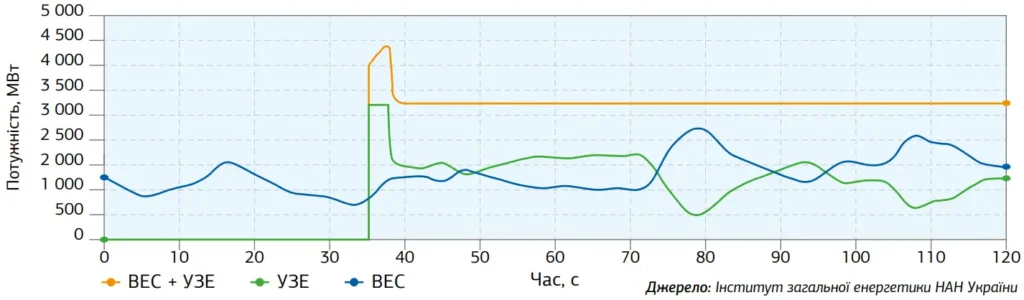
Fig. 1. Power output of the ESS, WPP, and their total power output
In addition to power balancing, ensuring proper power quality is a crucial aspect of operating distributed systems with a high share of renewable energy sources. Specifically, frequency stability is a key parameter that determines the reliability of both electrical equipment and the power system as a whole. Studies conducted at the Institute demonstrated that the integration of energy storage systems allows for a significant reduction in system frequency deviations. This confirms their capability to provide ancillary services and enhance the resilience of local energy complexes
(Fig. 2).
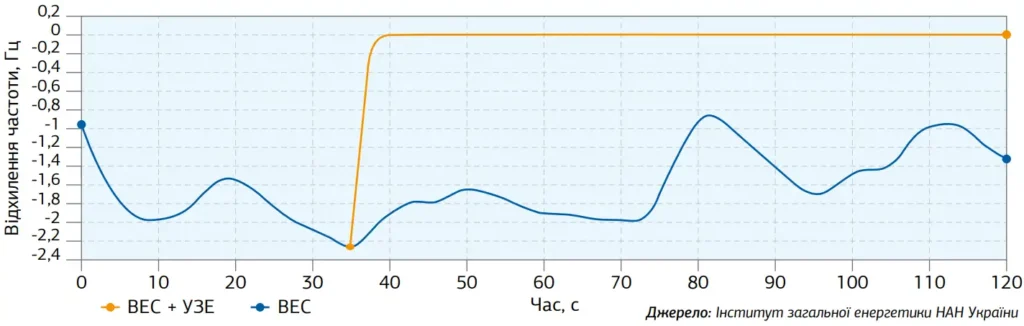
Fig. 2. System frequency deviations during WPP operation with ESS integration
Scientists at the Institute of General Energy of the NAS of Ukraine have developed and tested a specialized software module within the GreenPowerAtlas software package, designed to model the operating modes of “WPP + ES” systems under self-sufficient generation conditions. The developed toolkit enables a comprehensive analysis of the operation of such systems on a historical timescale, taking into account real meteorological conditions (Fig. 3). In Fig. 3, the baseline input data for the simulation are as follows: the study period is January 1–8, 2024, battery capacity is 3 MWh, C-rate is 0.5, turbine type is Vestas V80/2000, and the target output power level is 600 kW.
The application of this module allows users to vary a wide spectrum of parameters, including the geographical coordinates of wind turbine placement, the duration of the analyzed period (day, week, month), the technical specifications of wind power installations (nominal capacity, power curve functions), energy storage system parameters (capacity, charge/discharge rates defined via C-rate), and a specified stable output power level. The inclusion of a database of commercial wind turbines with capacities starting from 500 kW, which covers modern models used in global practice, ensures the applied focus and versatility of the analysis.
The simulation results are generated in the form of clear quantitative and graphical dependencies characterizing wind speed, wind power plant output, the total output of the WPP + ESS system with a specified level of stable generation, the dynamics of the energy storage system’s state of charge (SoC), and the volumes of unused electricity. Additionally, an information block with integral indicators is formed, such as the number of hours the required power level was maintained, the number of full accumulator charge-discharge cycles, and the total electricity losses.
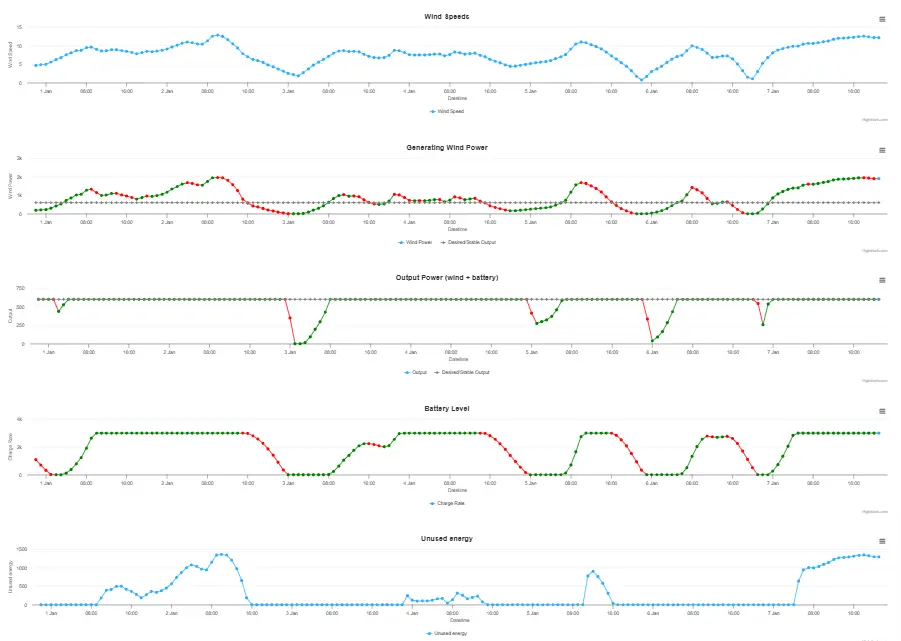
Fig. 3. Results of retrospective modeling of the “WPP+ESI” complex operation (based on GreenPowerAtlas)
Thus, wind energy within the distributed generation framework opens up new opportunities for the development of energy communities and municipal projects. Local power production helps communities not only enhance their own energy independence but also generate financial resources for infrastructure development, social programs, and the modernization of public utilities. This is particularly relevant in the context of post-war recovery, where the speed of project implementation and resource efficiency are decisive.
From an economic perspective, self-sufficient distributed generation demonstrates a number of significant advantages: reducing electricity transmission costs, cutting peak loads, and mitigating the risks of emergency blackouts create a systemic economic impact.
The environmental dimension of distributed generation development is an important aspect. Thanks to wind energy as a component of renewable energy sources, it is possible to significantly reduce greenhouse gas emissions, fossil fuel consumption, and negative environmental impacts. Combined with the decentralization of power supply, this creates conditions for the formation of sustainable energy systems focused on the long-term perspective.
Furthermore, the development of self-sufficient distributed generation completely aligns with Ukraine’s strategic goals regarding integration into the European energy space. The transition to a decentralized model, the widespread use of renewable energy sources, and the deployment of smart management systems comply with the key provisions of European energy policy and create prerequisites for deepening cooperation with EU partners.
P.S.: The Institute of General Energy of the NAS of Ukraine expresses its gratitude to its partner – the Ukrainian Wind Energy Association (UWEA) and personally to the Chairman of its Board, Andriy Konechenkov, for the opportunity to present this material in the Ukraine Wind Energy Sector Overview 2025. March 24, 2026.
Detailed information about this news is available on the NAS of Ukraine portal.